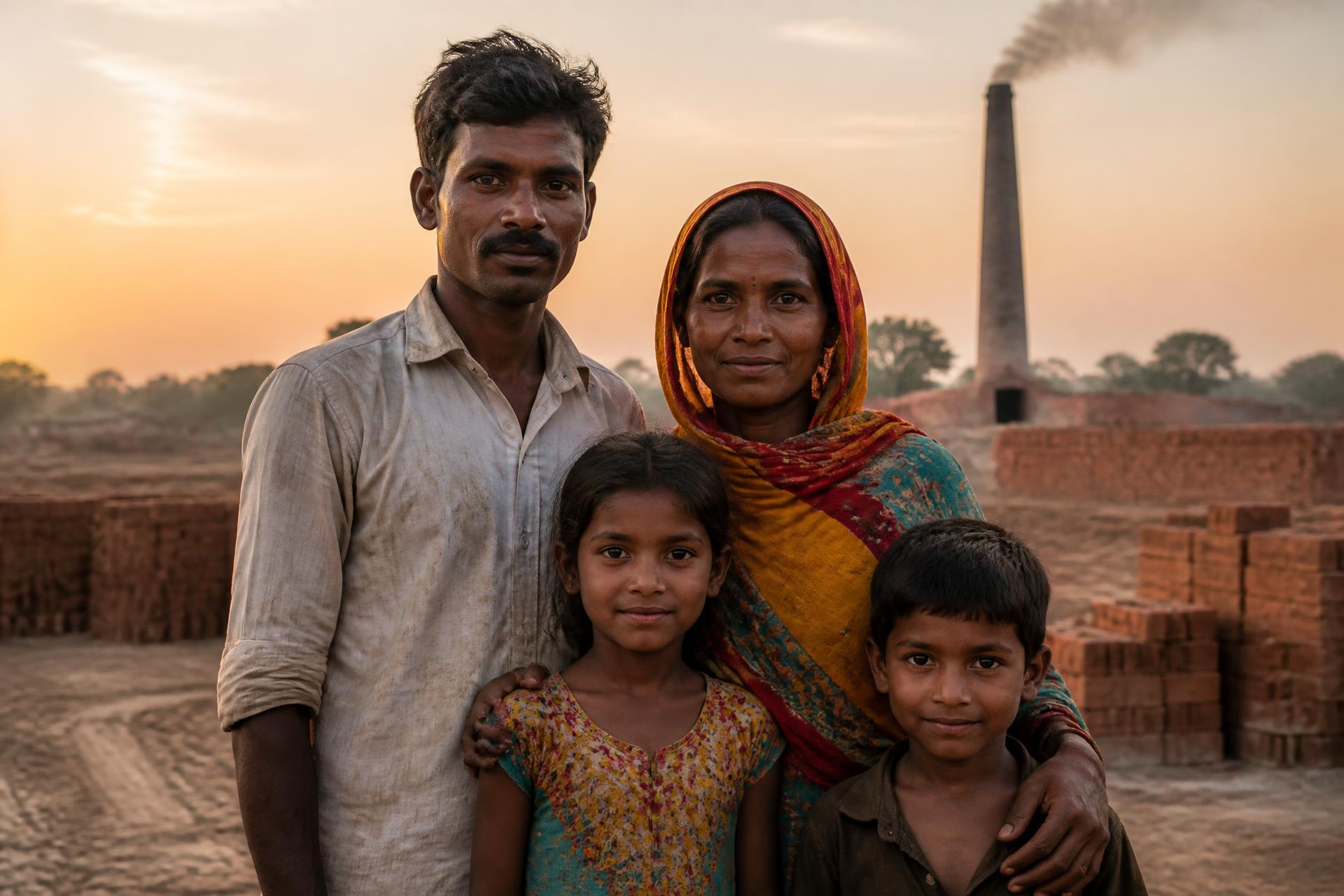
The “Masih” Family
A Christian family describes taking a small advance during a medical emergency, then finding the balance harder to clear with each passing season.
Read Their Story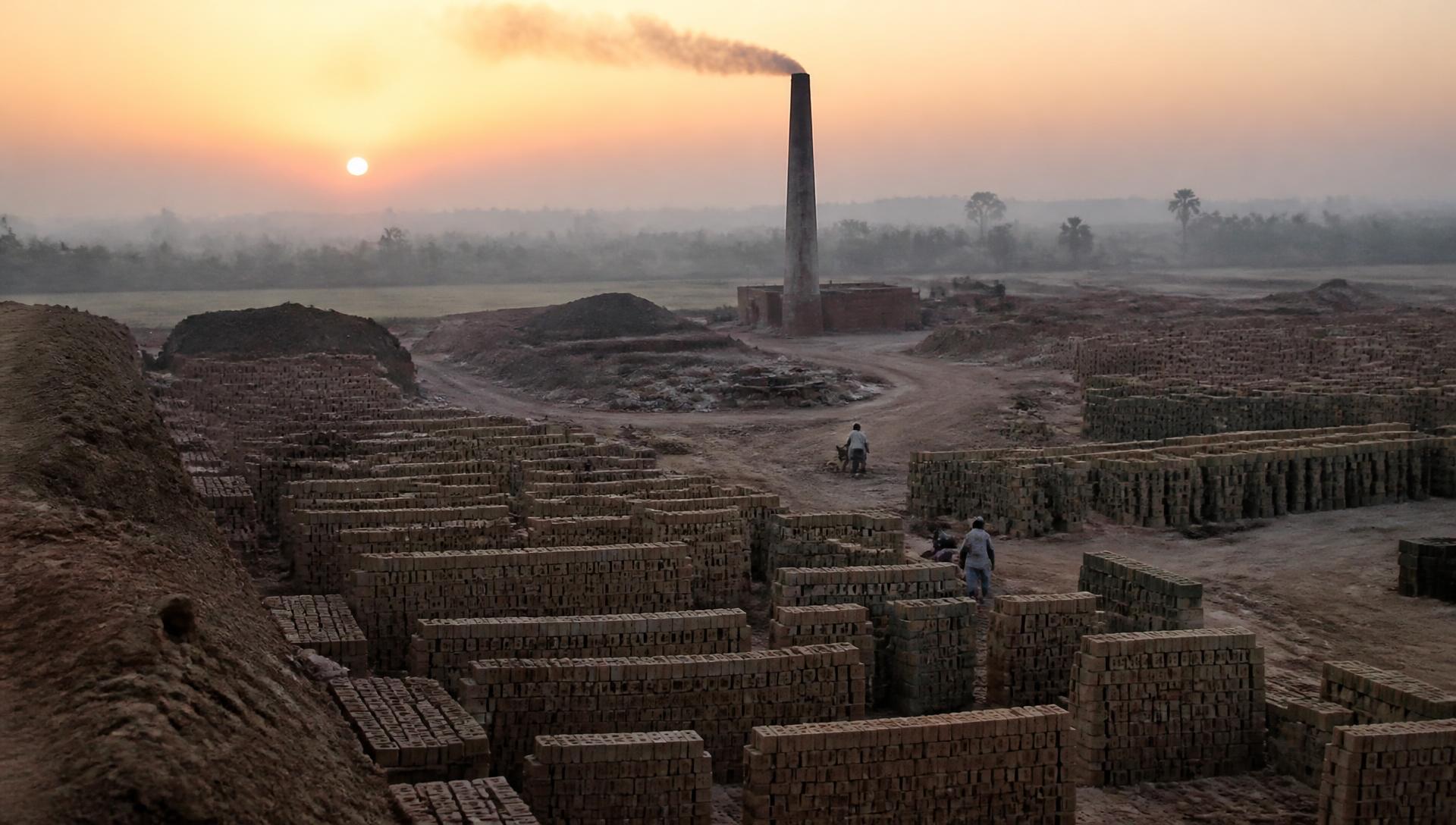
Featured program
Our first major focus is helping Christian families in Pakistan who are trapped in debt bondage and forced labor in brick kilns.
Debt bondage is a situation in which a person's labor is pledged against a debt, and the terms make that debt very difficult to repay. It is recognized in international law as a form of forced labour.
In parts of Pakistan's brick-making sector, workers commonly receive an advance payment — often called a peshgi — from a kiln owner or contractor. The advance may be taken to cover a medical emergency, a funeral, a wedding, or simply food during a lean season.
Repayment is then deducted against bricks produced. Because earnings are low and new costs are frequently added, some families find the balance falls very slowly, or not at all. Housing is often provided at the kiln, which ties where a family lives to where it works. In these circumstances a family can find it extremely difficult to leave, even where the law would permit it.
Christians in Pakistan are a religious minority, and in some areas households have fewer economic options, less access to formal credit, and less social protection when a dispute arises. This can make an exploitative arrangement harder to refuse and harder to exit. We describe this as a humanitarian and economic vulnerability, not as a political claim, and we do not make accusations against individuals, employers, or the government of Pakistan.
Christians in Need International seeks to help vulnerable Christian families through appropriate humanitarian, legal, educational, medical, emergency, and economic assistance. In practice that may include:
We will not promise that a specific family will be freed, and we will not describe a program as operating before it exists.
Statistics & sources
We do not publish a statistic unless we can attribute it to a named source. Rather than repeat unverified figures, we link to the primary research below.
Background on debt bondage as a recognized form of forced labour.
The international legal framework prohibiting forced and bonded labour.
Reporting on debt bondage and related practices worldwide.
Stories
A Christian family describes taking a small advance during a medical emergency, then finding the balance harder to clear with each passing season.
Read Their Story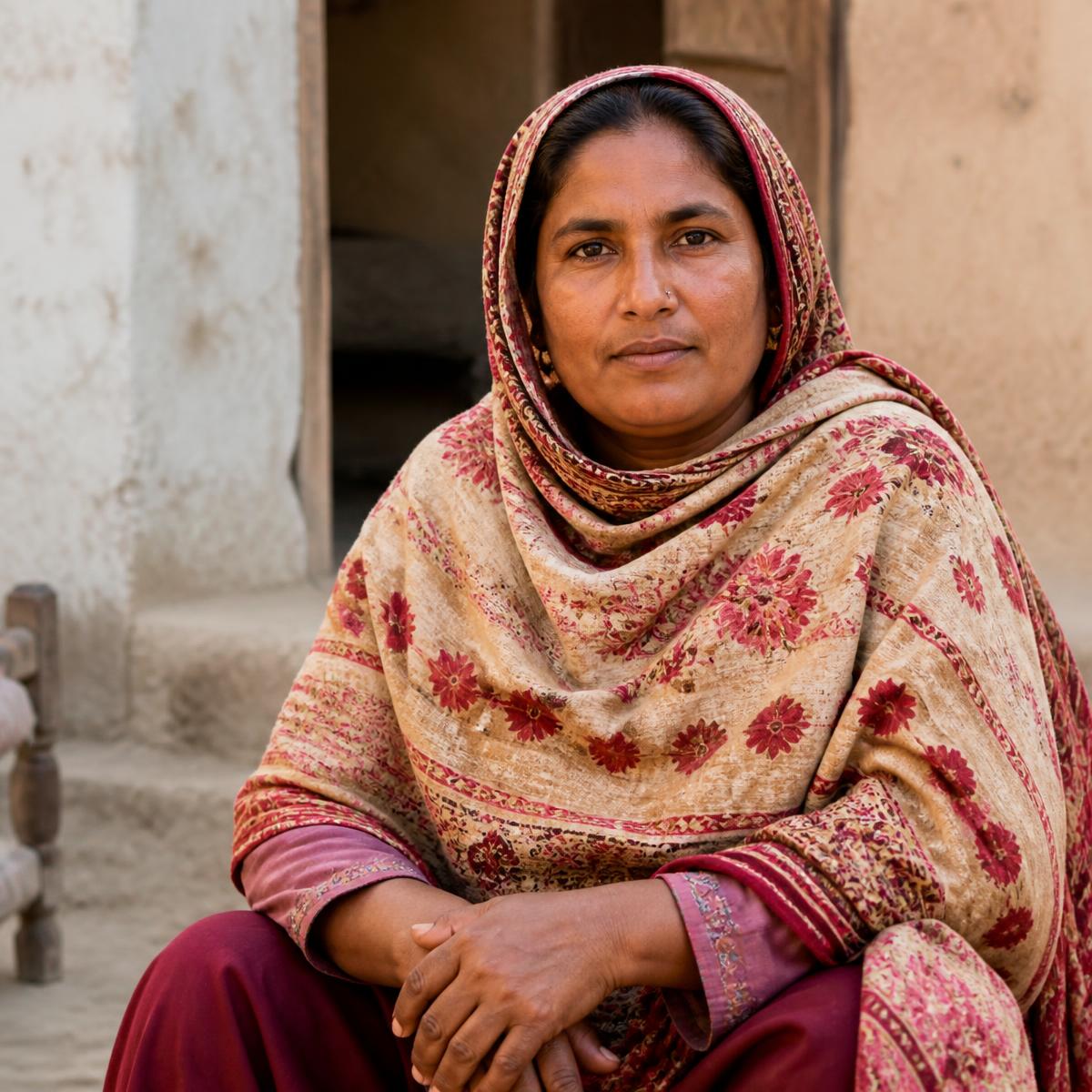
A widowed mother of three supporting her household through day labor while her youngest child needs ongoing treatment.
Read Their Story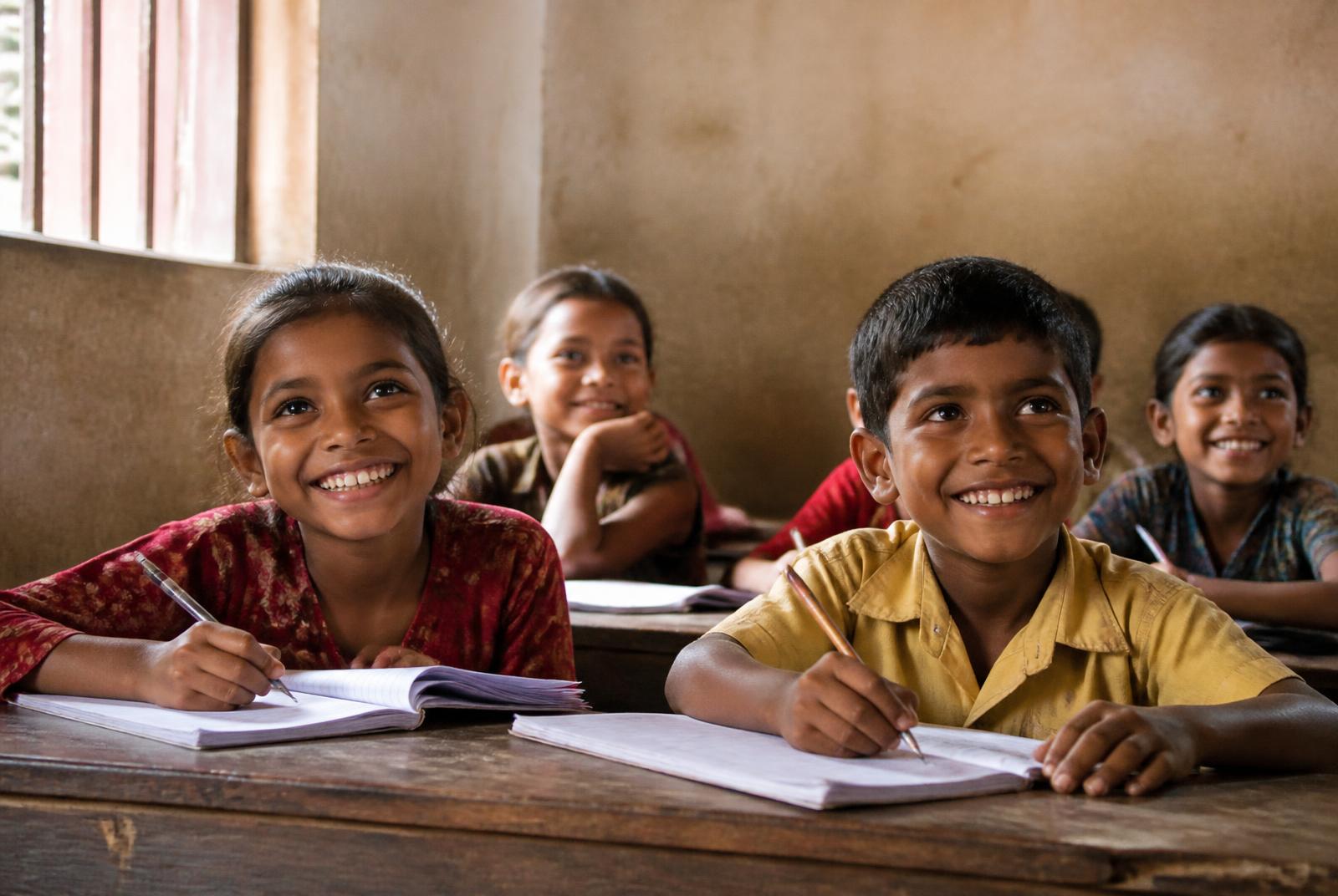
Where families work to clear an advance, children are often the first to lose school hours. Education is one of the most practical ways to interrupt that pattern.
Read Their StoryGet involved
One-time or monthly gifts fund emergency, medical, educational, legal, and transitional assistance.
Donate Now